Why New Drivers Need More Than Basic Skills
A new driver can know every rule and still freeze when a two-wheeler cuts in or a pedestrian steps out. Experience takes time to build. Confidence also grows slowly, and it should grow alongside skill, not ahead of it.
So the real goal of teen driver safety is patience, awareness and good judgement, not just a licence.
1.Check The Legal Age First
In India, the usual minimum age for driving a private caris 18, and a learner’s licence and driving licence are required.
Parents should never allow an underage or unlicensed teenager to drive a car on a public road. Learning road signs, traffic rules, and road-safety principles before becoming eligible to drive is a useful way to prepare responsibly.
2.Teach Road Signs Before The Steering Wheel
Start with the basics: No Entry, Give Way, speed limits, pedestrian crossings and traffic signals. When you travel together, point out signs and say what the right response is. A teenager who understands why a rule exists is more likely to follow it.
3.Make Seat Belts and Helmets Non-Negotiable
Everyone in the car wears a seat belt, including the back seat. On a two-wheeler, both rider and pillion wear helmets.
Children copy what they see. If you buckle up every time, without being asked, they will too. A simple house rule works well: the journey doesn’t start until everyone is secured.
4.Keep The Phone Out of The Driving Seat
A quick glance at a message is enough to miss a sudden brake light.teach your teenager to set the route before starting, keep the phone out of the reach, and stop in a safe place if they need to make a call.
And follow the same rule yourself. Teenagers notice when parents check their phones at red lights.
5.Practise Gradually, Not All At Once
Skills build in layers. Early lessons should cover controls, smooth starting and stopping, steering, mirror checks and simple turns. After that, move on to junctions, parking and busier roads.
Avoid putting a beginner in a situation that is too hard too soon. A calm learner makes fewer mistakes and learns faster.
6. Help Teenagers Stay Calm in Traffic
Indian roads can involve cars, motorcycles, auto-rickshaws, buses, cyclists, pedestrians, and vehicles entering from side roads. For a beginner, this can feel overwhelming.
Teach young learners to scan their surroundings, check mirrors, signal in advance, maintain a safe distance, and avoid sudden movements. They should not compete with aggressive drivers or feel pressured to copy unsafe behaviour.
7.Choose The Right Driving Instruction
Not every parent has the time or patience to teach driving, and that is perfectly fine. A professional instructor brings structure and a steady pace.
When choosing a driving school, parents should ask about instructor experience, the course structure, vehicle options, road-safety instruction, and how practical progress is assessed. They should also confirm that lessons follow the applicable licensing requirements.
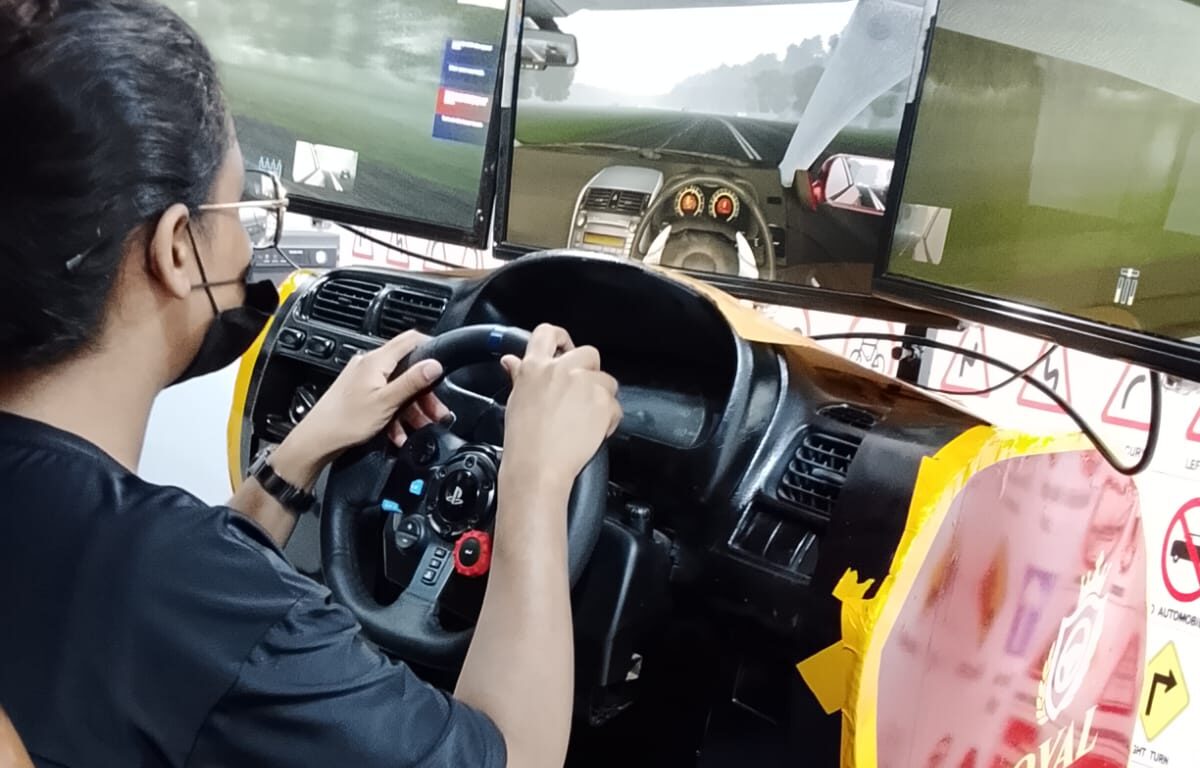
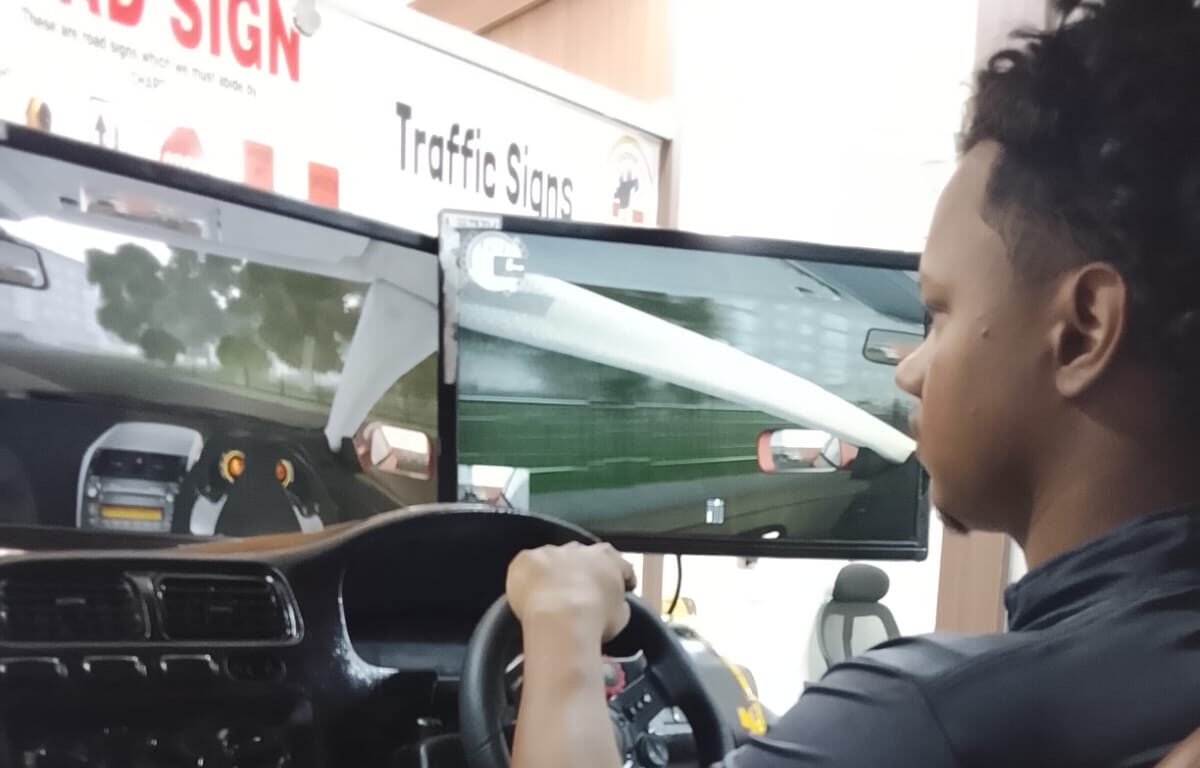
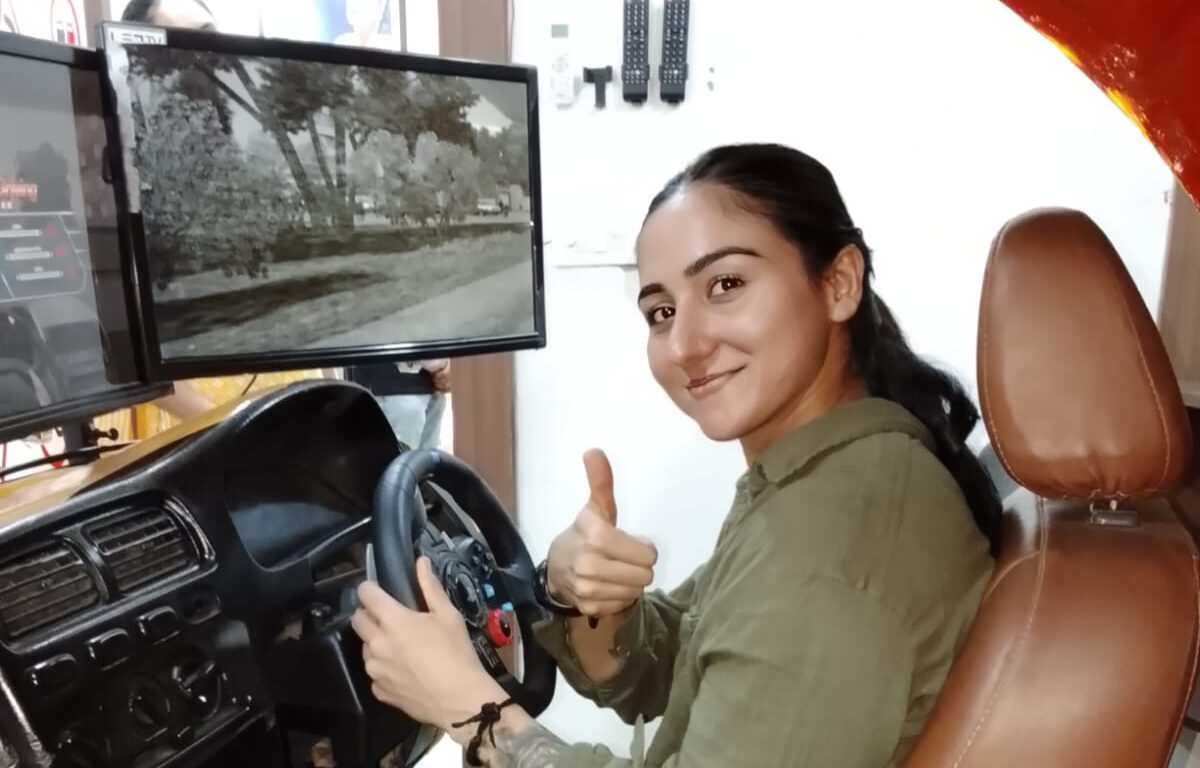
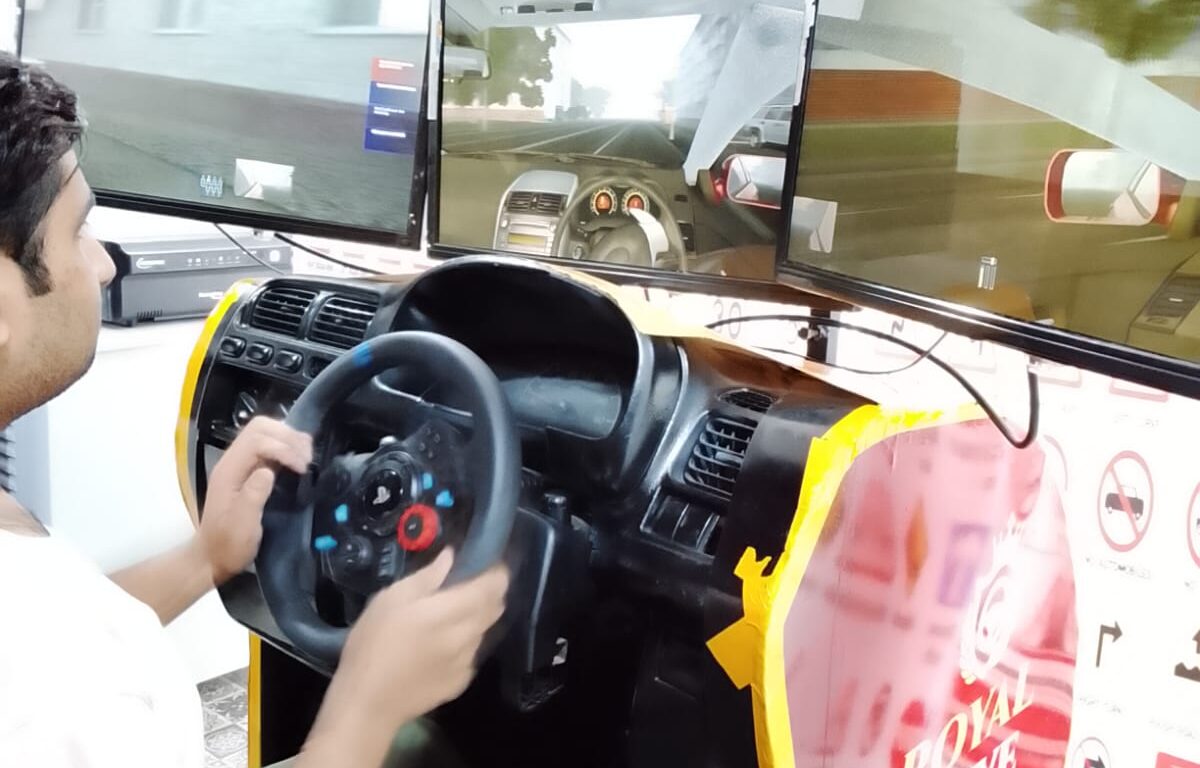
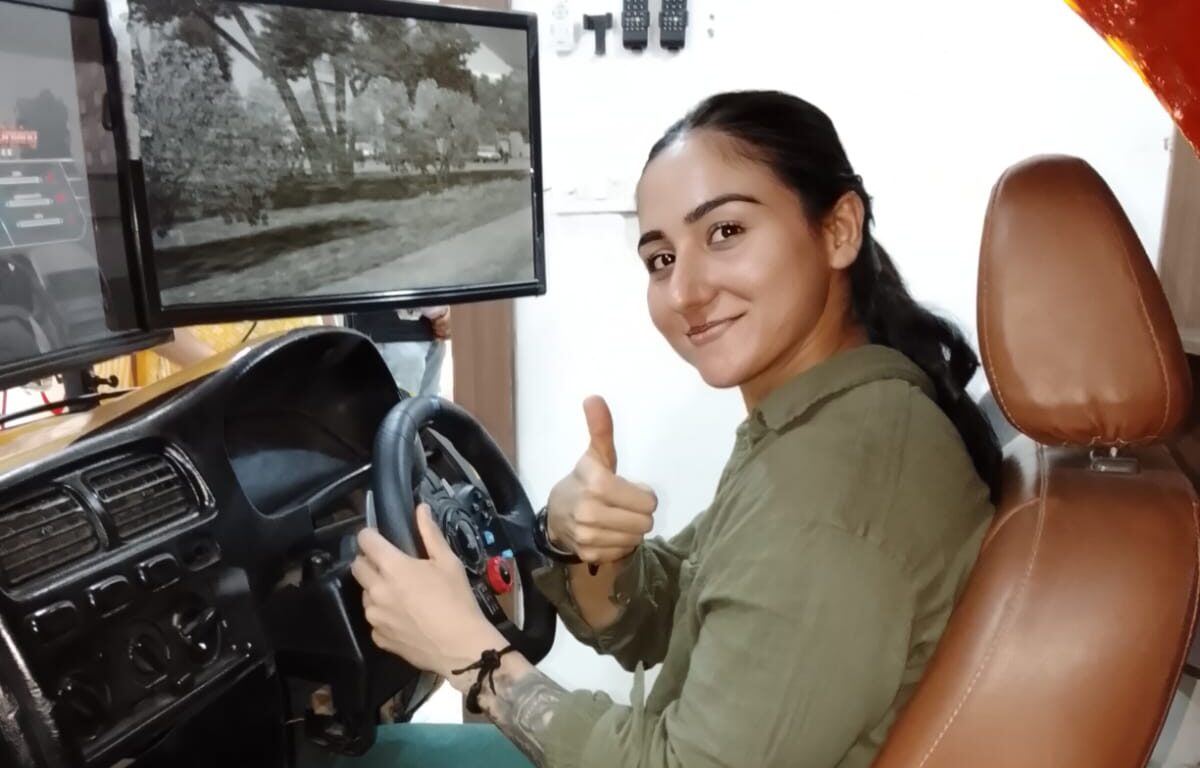
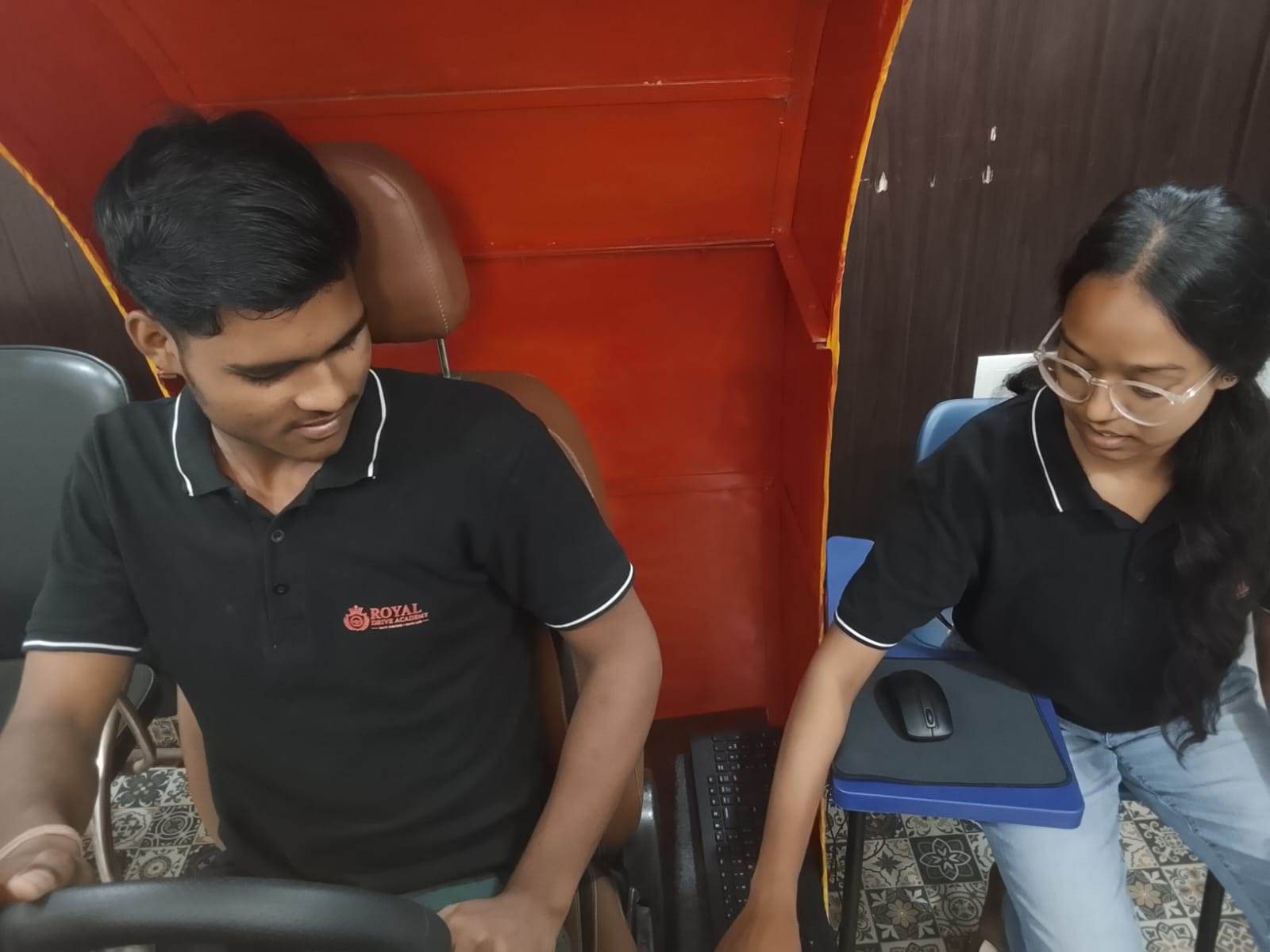
At Royal Drive Academy in Faridabad, we offer manual and automatic driving courses, simulator training and practical driving lessons. The most recommended course for the beginner is 30 days, where we provide both the simulation training and practical classes.
Conclusion
Teen driver safety starts with preparation, clear rules and steady practice. Teach the road rules, talk openly about phones and speed, and make sure learning happens legally and with the right supervision.
Learning to drive is about understanding risk and respecting other road users. With good guidance, your teenager can build habits that last for life.