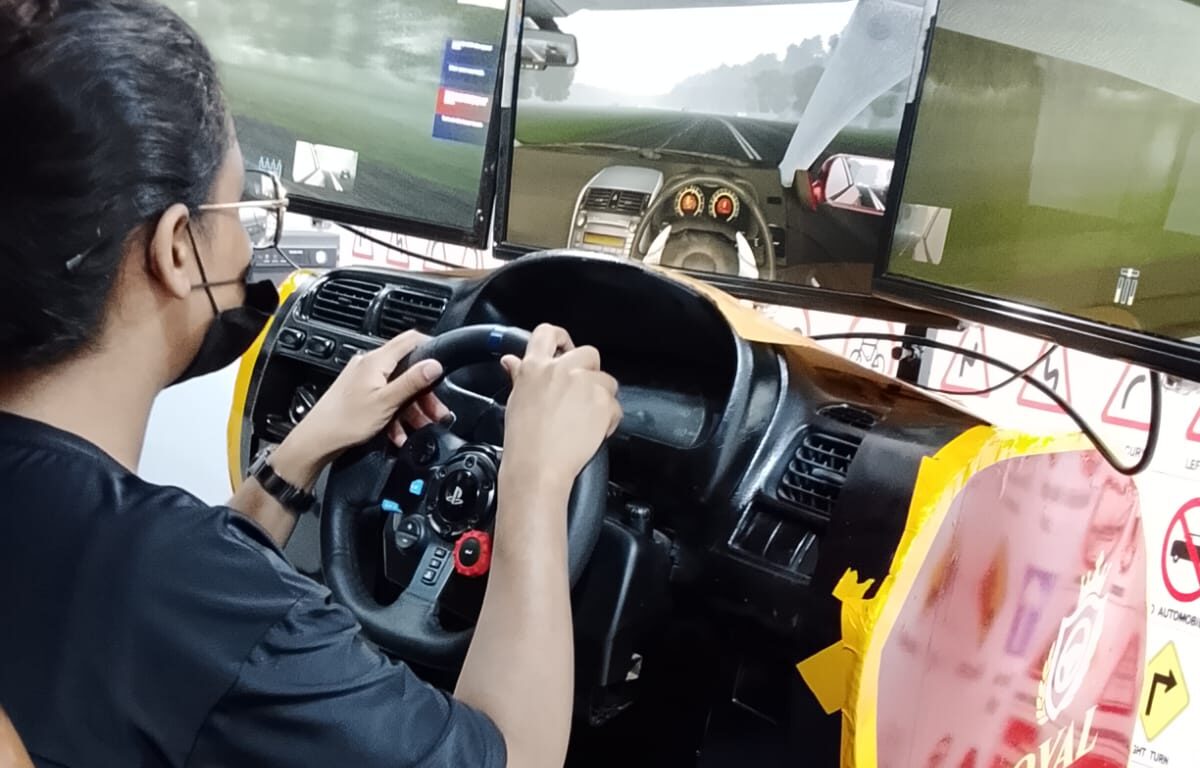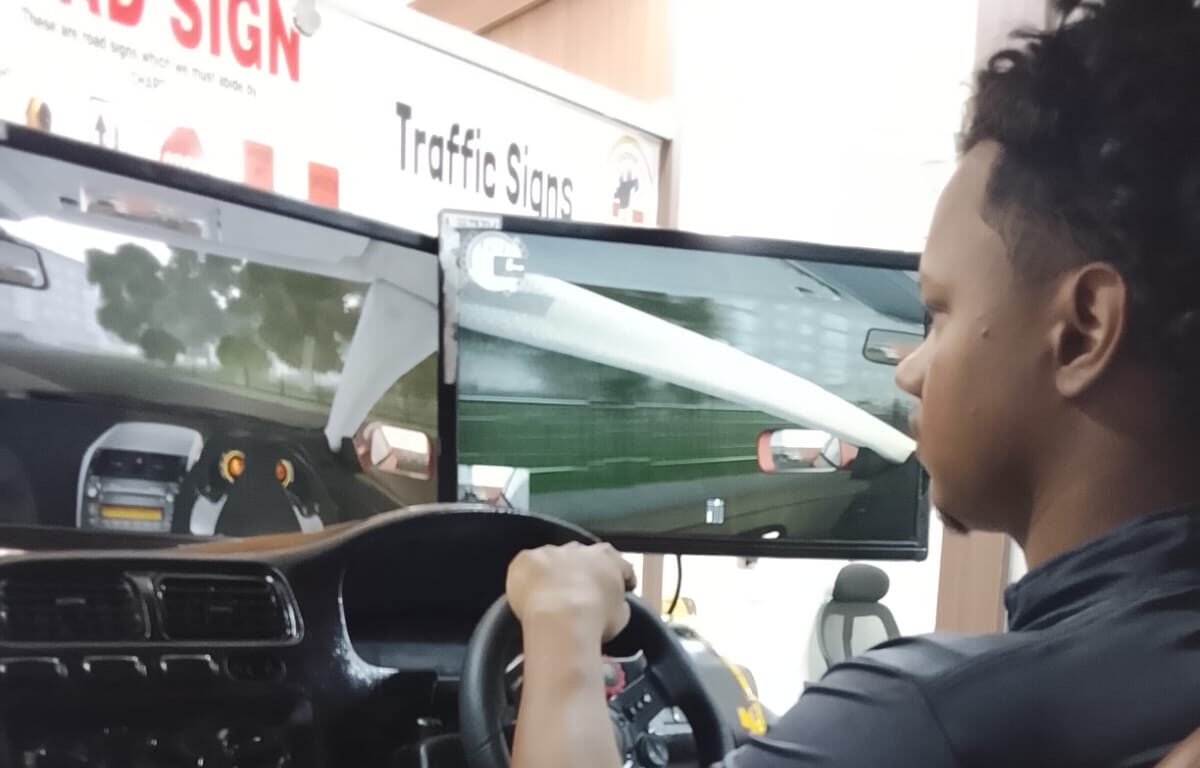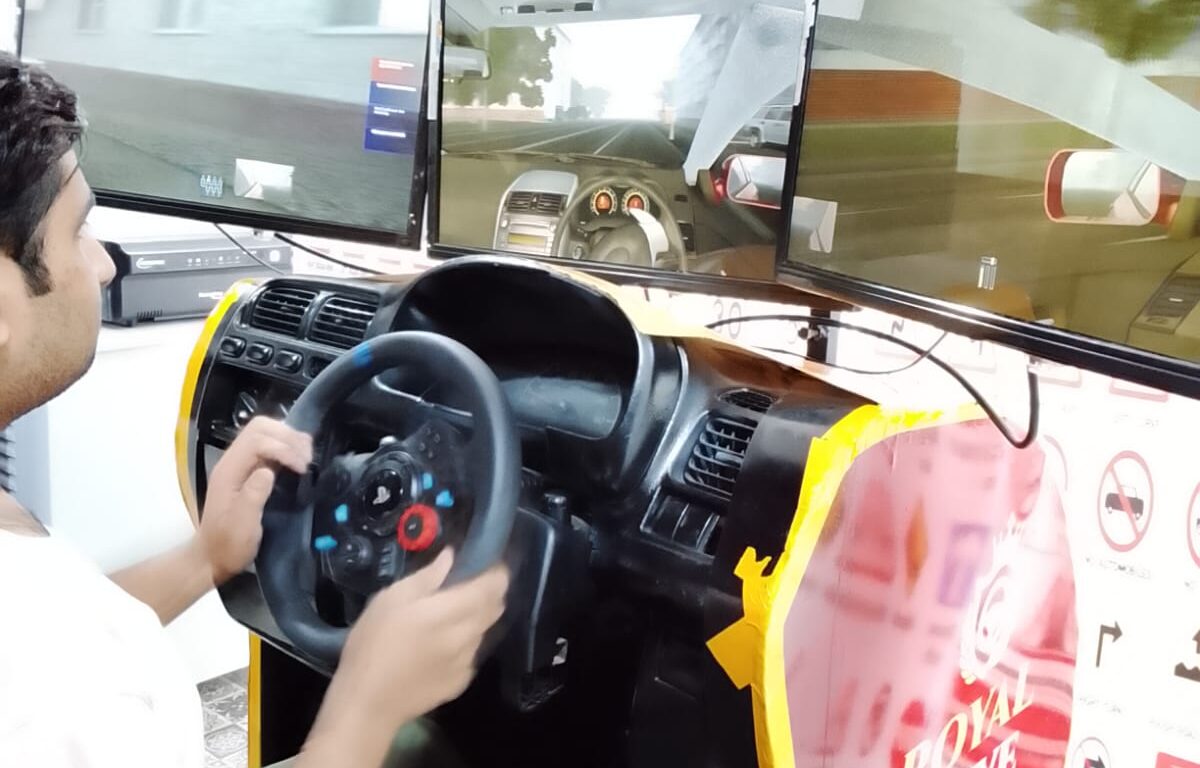
When you start learning to drive, your eyes naturally stay on the road ahead: the steering wheel, the pedals, the vehicle in front. But safe driving also depends on knowing what is happening beside and behind your car.
A motorcycle may be sliding up along your left. A cyclist may be right next to your rear door. A car may be moving into the lane you want. If you rely on a quick look at one mirror, you can miss all of them.
That is why using mirrors and checking blind spots properly is one of the most important skills a beginner can learn. It protects you every time you move off, turn, change lanes, or reverse.
This guide shows you how to adjust your mirrors, when to check them, how to check your blind spot, and which mistakes to avoid.
What Mirrors Does a Car Have, and Why Do They Matter?
Most cars have three main mirrors:
- Inside rear-view mirror: shows traffic directly behind you through the rear window.
- Left-side mirror: shows the kerb side of your car. In India we drive on the left, so this is where two-wheelers and cyclists often squeeze past.
- Right-side mirror: shows the side towards the centre of the road, where overtaking and faster traffic usually comes from.
Together they let you understand surrounding traffic without constantly turning your head.
But no mirror shows everything. What you see depends on how the mirrors are adjusted, your car’s design, and where other vehicles are. A motorcycle close to your rear corner can disappear from every mirror at once. That is why mirror checks and blind-spot checks must work together.
How to Adjust Your Mirrors Before You Drive
Poorly set mirrors make it hard to judge where other vehicles are. Adjust them before you move, never while driving.
Step 1: Adjust your seat first: Sit comfortably with your back supported, your hands on the wheel, and your feet able to press the pedals fully. Always set the seat before the mirrors, because moving the seat changes what the mirrors show.
Step 2: Set the inside rear-view mirror: Position it so you can see as much of the rear window as possible from your normal driving position, without stretching or leaning.
Step 3: Set the left-side mirror: Angle it to show the road beside and behind the car. A small strip of your own car can stay visible as a reference, but most of the mirror should show the lane next to you.
Step 4: Set the right-side mirror: Do the same on the right so you can see vehicles approaching from behind and alongside.
Step 5: Recheck before moving off: Look around the car to confirm the area is clear. Mirrors alone cannot tell you that the space right beside or behind the car is empty.
What Is a Blind Spot?
A blind spot is an area around your car that you cannot see properly in your mirrors. Its size and position depend on your car, your mirror settings, and your seating position.
Common things that hide in blind spots:
- A motorcycle or scooter beside your car
- A cyclist coming up from behind
- A car about to enter the next lane
- A vehicle near your rear corner
- A pedestrian or cyclist close to the car when you are about to move off
Blind spots are not the same in every car. A large SUV or a van has different visibility limits from a small hatchback.
To cover them, combine your mirror check with a brief shoulder glance towards the side you want to move into. Keep it short so you do not lose sight of the road ahead.
How to Check Blind Spots Properly
Blind-spot checking is an additional observation, not a replacement for using mirrors.
Follow these steps before a lane change or another manoeuvre that requires you to move sideways.
Step 1: Look ahead. Make sure you understand the traffic and road conditions in front of you.
Step 2: Check the relevant mirror. Observe the position and movement of vehicles behind and beside your car.
Step 3: Signal your intention. Use your indicator early enough to communicate what you plan to do. Remember that signalling does not give you priority.
Step 4: Make a brief blind-spot check. Turn your head briefly towards the side you intend to move into, where it is safe to do so.
Step 5: Look ahead again. Re-establish awareness of the road in front of you.
Step 6: Move only if it is safe. If another vehicle is too close or the gap is insufficient, wait. Do not force your way into the lane.
The timing of these checks matters. A gap that appeared safe a few seconds ago may no longer be available because another vehicle has accelerated or moved closer.
How to Use Mirrors When Changing Lanes
Changing lanes requires careful observation because traffic can approach quickly, especially on busy city roads.
Use a simple routine:
- Plan your lane change early and check that it is allowed.
- Check the rear-view and relevant side mirror.
- Signal your intention.
- Check the relevant blind spot.
- Confirm that there is enough space to move safely.
- Steer smoothly into the lane without cutting across another vehicle.
- Cancel the indicator if it has not switched off automatically.
Do not change lanes just because the indicator is on. Other drivers may not slow down or make space for you.
In Indian traffic, also pay attention to motorcycles and scooters moving between vehicles. They can be difficult to notice if you rely only on a quick glance at one mirror.
Common Mirror and Blind-Spot Mistakes Beginners Make
Even when learners understand the basic rules, they may develop habits that reduce their awareness of surrounding traffic.
- Mirrors cannot show every area around the car. Add a brief blind-spot check before moving into an adjacent lane.
- Do not wait until you have already started turning or changing lanes. Observe traffic in good time before the manoeuvre.
- Forgetting motorcycles and cyclists
- An indicator communicates your intention; it does not guarantee that the lane is clear.
- Moving without checking again
- Adjusting mirrors while driving
Avoiding these mistakes can help you build better observation habits from the beginning.
Conclusion
Knowing how to use mirrors and check blind spots properly helps you understand what is happening around your car before you move. Adjust your mirrors before driving, observe traffic in good time, signal clearly, and check the relevant blind spot before moving sideways.
Remember that mirrors are useful tools, but they do not provide a complete view of the road. Combine them with careful observation and safe decision-making.
If you are learning to drive, practise these habits through regular driving lessons, practical driving training, and proper instructor guidance until they become a natural part of your driving routine. Developing road awareness, defensive driving skills, safe driving habits, and vehicle control is essential for every beginner. Safe driving starts with knowing not only what is ahead but also understanding the traffic, road conditions, and vehicles around you.