Seat Belt Rules in India
A seat belt holds you in place during sudden braking or a crash. It reduces the chance of hitting the vehicle’s interior or being thrown forward.
Under Section 194B of the Motor Vehicles Act, a driver who does not wear a seat belt, or who carries passengers who are not wearing one, can be fined ₹1,000. The same section covers children under 14 who are not secured by a seat belt or a suitable child restraint.
What this means in practice:
- The driver must wear a seat belt.
- Passengers must wear them too, wherever belts are provided.
- Rear-seat passengers must buckle up.
- Children need suitable protection.
- Do not start driving until everyone is secured.
Helmet Rules in India
A helmet protects your head in a fall or crash, but only if it is the right type and worn correctly.
Section 129 of the Motor Vehicles Act requires every person over four years of age who drives, rides, or is carried on a motorcycle in a public place to wear protective headgear that meets the prescribed standards. There is an exception for a Sikh person wearing a turban. Separate rules apply to the safety of children under four.
In practice:
- Both the rider and the pillion passenger must wear helmets.
- Look for BIS (ISI) certification, and avoid cheap, unmarked helmets.
- An open strap can let the helmet fly off in a crash.
- Get the right fit.
- Keep the visor clean and clear
- Replace a helmet after it is cracked or damaged.
Are Seat Belts and Helmets Needed Only on Highways?
No. They are needed on every road.
Short trips still involve crowded junctions, sudden braking, pedestrians stepping out, and vehicles cutting in. All of these happen near homes, schools, markets, and offices.
- In a car: buckle up on every journey, whatever the distance.
- On a two-wheeler: put on and fasten your helmet before the vehicle moves.
Start the journey correctly. Do not wait until you reach the main road.
Common Seat Belt and Helmet Mistakes to Avoid
Knowing the law is important, but following it correctly matters just as much. These are some mistakes that drivers and passengers should avoid.
1. Wearing a seat belt only when traffic police are nearby
A seat belt is meant to protect you during a collision, not just to prevent a challan. Make it a habit every time you enter a car.
2. Ignoring rear-seat passengers
Rear-seat passengers should not assume they are safe simply because they are sitting behind the front seats.
3. Wearing a helmet without fastening the strap
A loose helmet may shift or come off during a crash. Fasten the chin strap securely before starting the ride.
4. Using a damaged or poorly fitting helmet
A helmet that is too loose, damaged, or not compliant with applicable standards may not offer the intended protection. Inspect it regularly and replace it when necessary.
5. Carrying children without suitable protection
Children need age- and size-appropriate protection. Do not assume an adult seat belt will fit a small child correctly. Check the relevant requirements and use a suitable child restraint system where required.
Safe Habits That Go With Seat Belts and Helmets
Safety gear reduces the harm when something goes wrong. Good habits reduce the chance of something going wrong in the first place.
- Follow signs and signals
- Keep a safe following distance
- Keep your phone away while driving
- Match your speed to traffic and road conditions
- Check mirrors before changing lanes
- Brake smoothly and stay alert at junctions
- Keep brakes, tyres, and lights in good condition
No safety device can prevent every injury, but combining safety equipment with responsible driving gives you the best protection. Read more in our guide on 10 Defensive Driving Habits That Prevent Accidents.
Learning Road Safety Through Driving Lessons in Faridabad
Beginners often focus on learning how to start the car, change gears, steer, and park. However, understanding road-safety rules is equally important when preparing to drive independently.
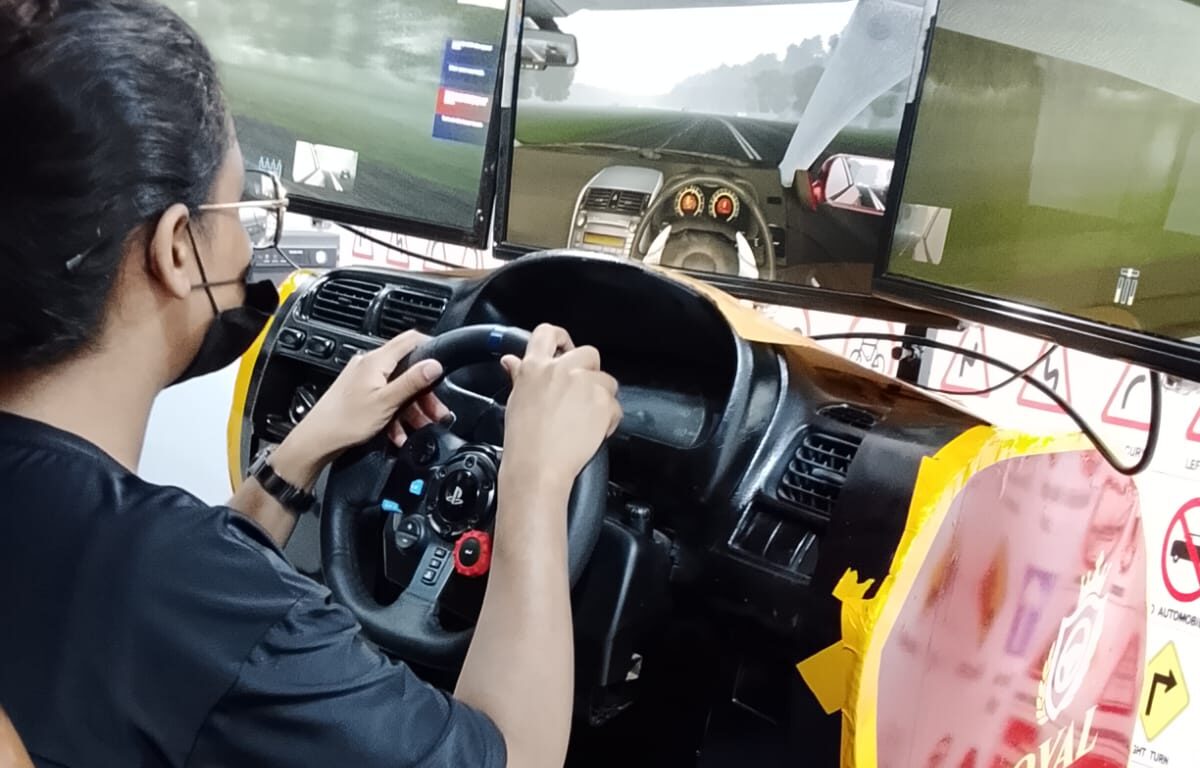
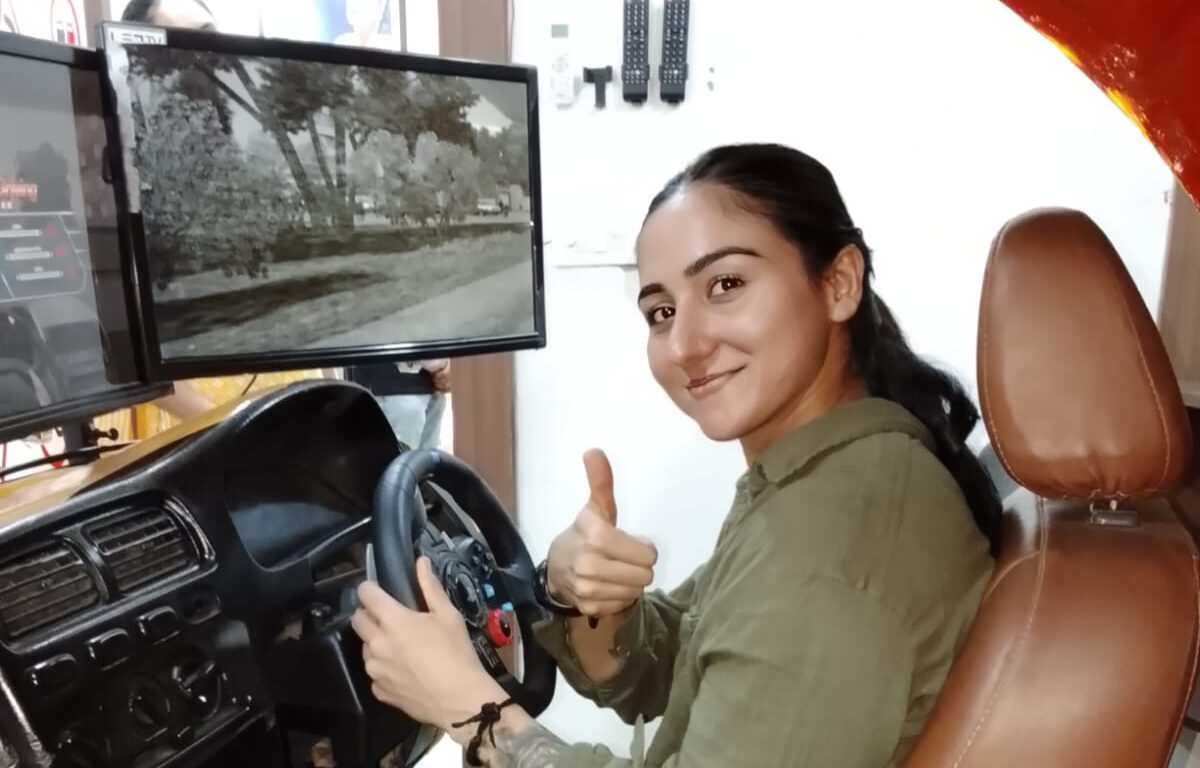
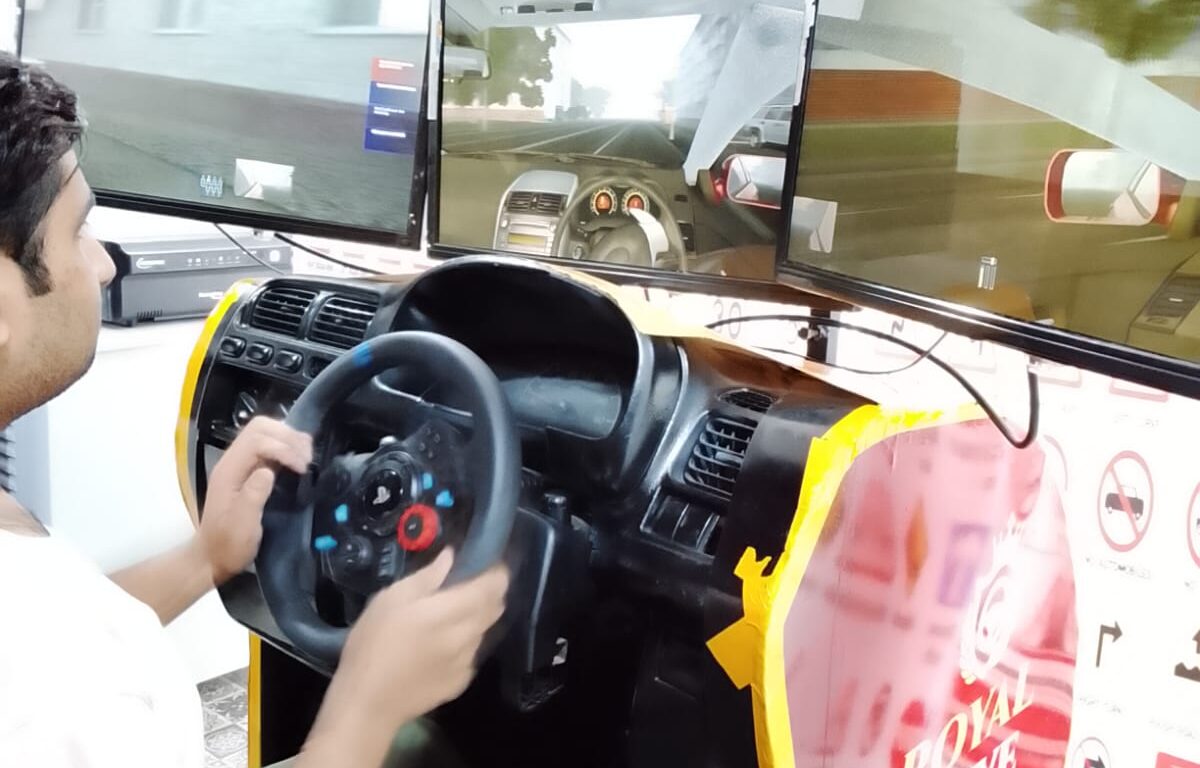
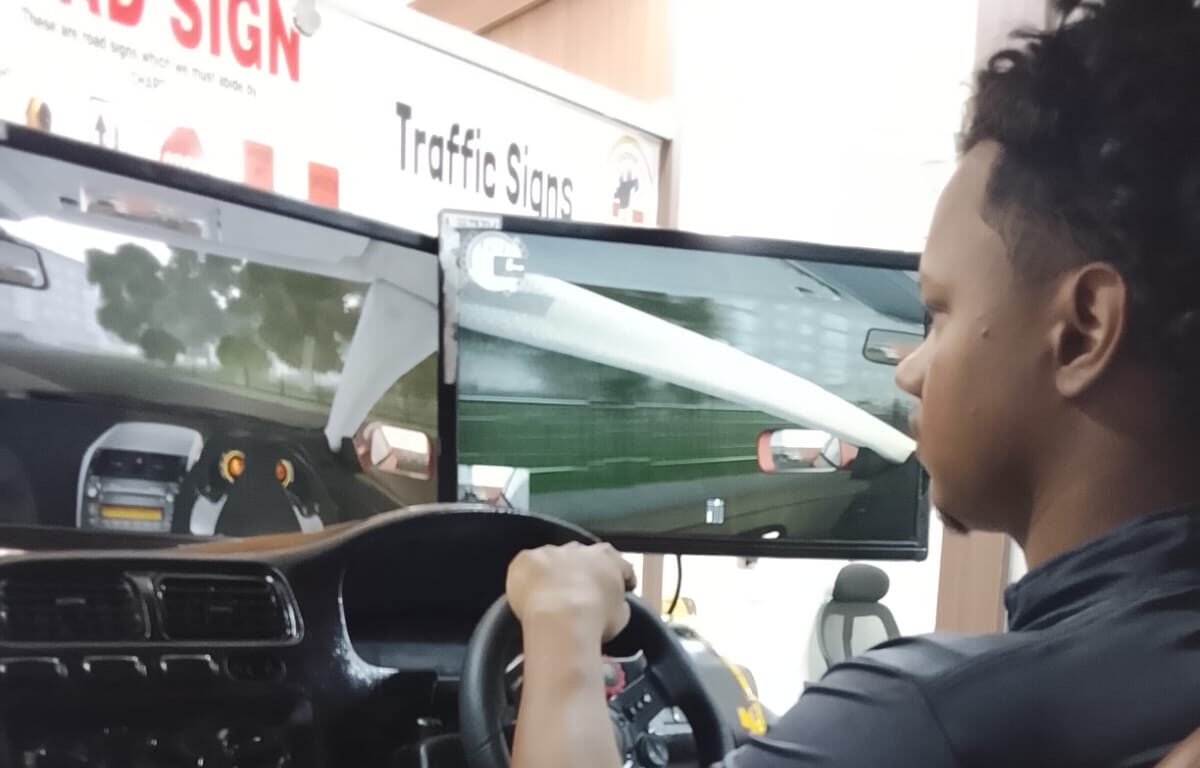
A structured driving course can help learners become familiar with vehicle controls, road signs, traffic awareness, and safe driving routines. Simulator training may also help introduce selected driving situations before practical lessons, although it does not replace real-road practice.
Royal Drive Academy in Faridabad offers simulator training and practical driving instruction, with manual and automatic course options. If you are looking for driving lessons in Faridabad, ask about the training structure, suitable course options, and available timings. You can also confirm whether a female instructor is available if that is important to you.
The aim is to develop safe habits from the beginning, including fastening seat belts, understanding road rules, and recognising risks before they become emergencies.
Final Takeaway
Seat belts and helmets are simple, cheap, and can make the difference in an accident. Indian law requires them and sets penalties for ignoring them.
Whether you drive a car or ride a two-wheeler, make safety part of every journey: buckle up, wear a certified helmet with the strap fastened, protect children properly, and follow traffic rules.
If you are learning to drive, build these habits from your first lesson. Good driving is not only about reaching your destination. It is about protecting yourself and everyone else on the road.