The learning drive is not limited to young people. Some people reach retirement without ever learning to drive. Others held a licence years ago and have not touched a steering wheel since.Later in life, they may want to drive to the market, visit family, attend appointments, or enjoy more independence in their daily routine.
It is normal to wonder: Am I too old to learn? Will traffic overwhelm me? Will I remember anything? This guide answers those questions, step by step, whether you are starting from zero or getting back behind the wheel.
Is it too late to learn driving?
No. Age alone does not decide whether someone can drive safely.Eyesight, mobility, attention and reaction time vary from person to person, so each case should be looked at individually.
Before you begin, ask yourself:
- Can I sit comfortably and turn my head to check traffic?
- Can I read road signs clearly?
- Can I follow what’s happening around me and respond calmly?
Learning to Drive for the First Time Later in Life
Feeling nervous is natural.Begin by understanding the basics of the vehicle. Learn the purpose of the steering wheel, brakes, accelerator, mirrors, indicators, gear selector, and other essential controls.
A beginner-friendly learning plan may include:
- Understanding the dashboard and vehicle controls.
- Adjusting the seat and mirrors for a comfortable driving position.
- Learning how to steer and stop smoothly.
- Understanding road signs, traffic signals, and basic road rules.
- Gradually learning turns, reversing, and parking.
Returning to Driving After Many Years
Some senior citizens already know how to drive but stopped because of work, family responsibilities, health concerns, or a change in circumstances. Many returning drivers remember the controls but feel unsure about judging distance, parking, changing lanes or busy traffic.
Safety Checks for Senior Drivers
These checks are not reasons to assume older people are unsafe. They are practical ways to spot individual needs.
Vision : keep up with eye exams and wear prescribed glasses. If glare or night vision is a problem, avoid night driving and talk to an eye-care professional.
Hearing: horns and sirens matter. Seek advice if you have concerns.
Mobility: Arthritis, stiffness or pain can make steering, pedals and shoulder checks harder. Ask a doctor about suitable adjustments.
Attention and reaction time: if you often feel confused at junctions, miss signs or struggle with unexpected situations, get professional guidance before continuing.
How Family Members Can Offer Support
Family support can make learning easier, especially when someone is returning to driving after a long break. However, support should never become pressure.
Instead of saying, “You are too old to drive,” or “You should already know this,” encourage an honest conversation about what the person wants to do and what feels difficult.
Helpful support may include:
- Helping arrange an assessment with a qualified instructor.
- Allowing enough time for lessons without rushing.
- Listening to concerns about traffic, parking, or confidence.
- Taking concerns about driving difficulties seriously.
The purpose is to help the person retain independence where it is safe and practical, while respecting their dignity and decisions.
How Driving Lessons Can Help in Later Life
A Structured and suitable programme can begin with an assessment of existing skills, followed by practice in areas that need improvement. Someone learning for the first time may need help with basic controls, while a returning driver may mainly need to refresh parking, traffic awareness, or vehicle handling.
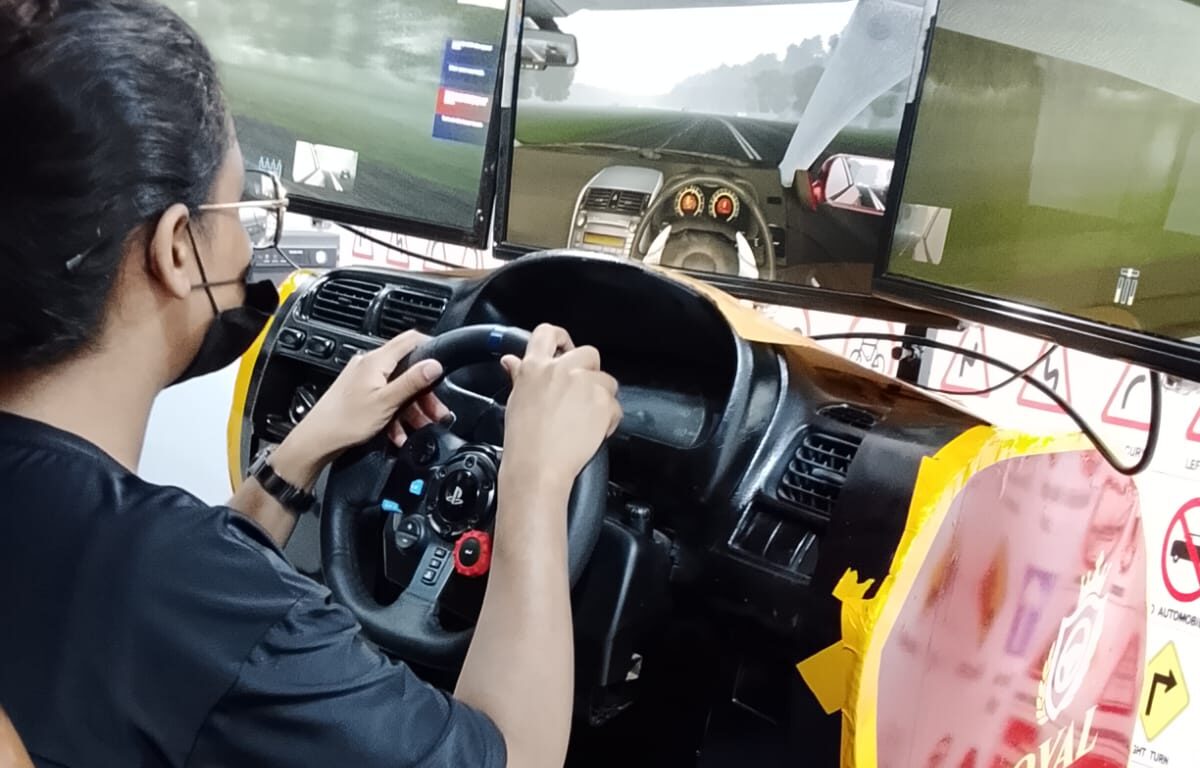
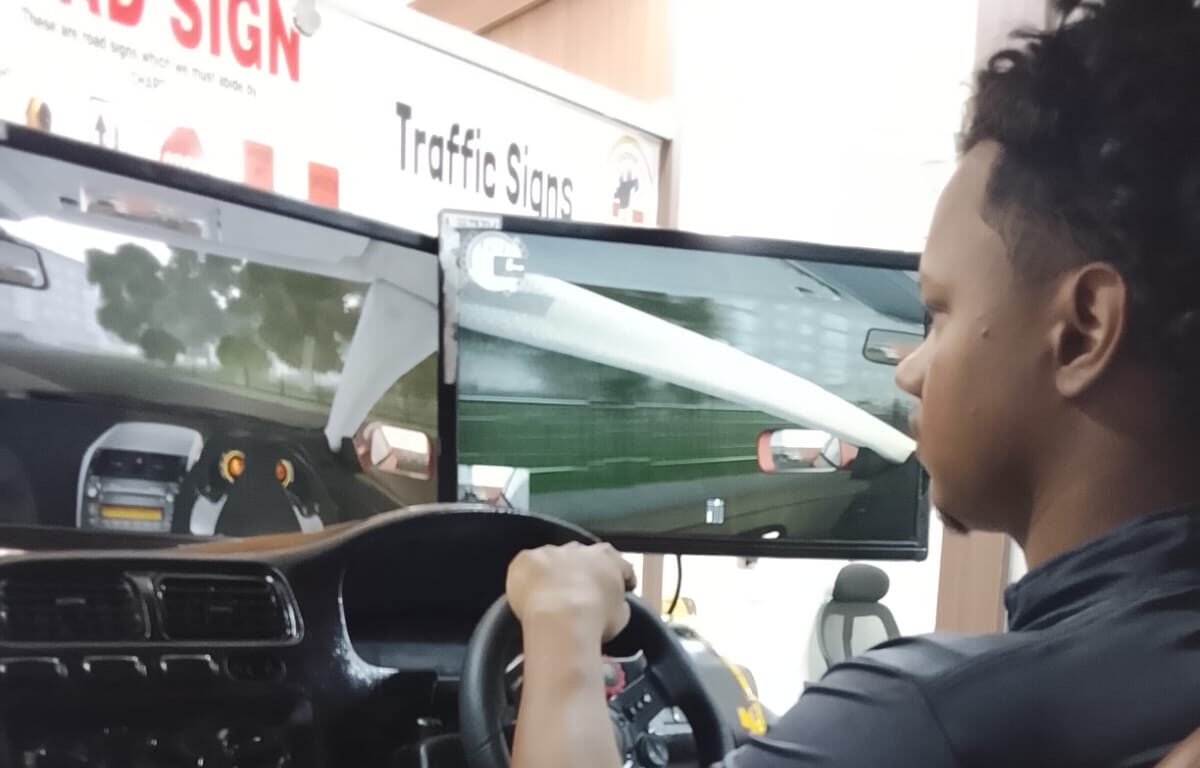
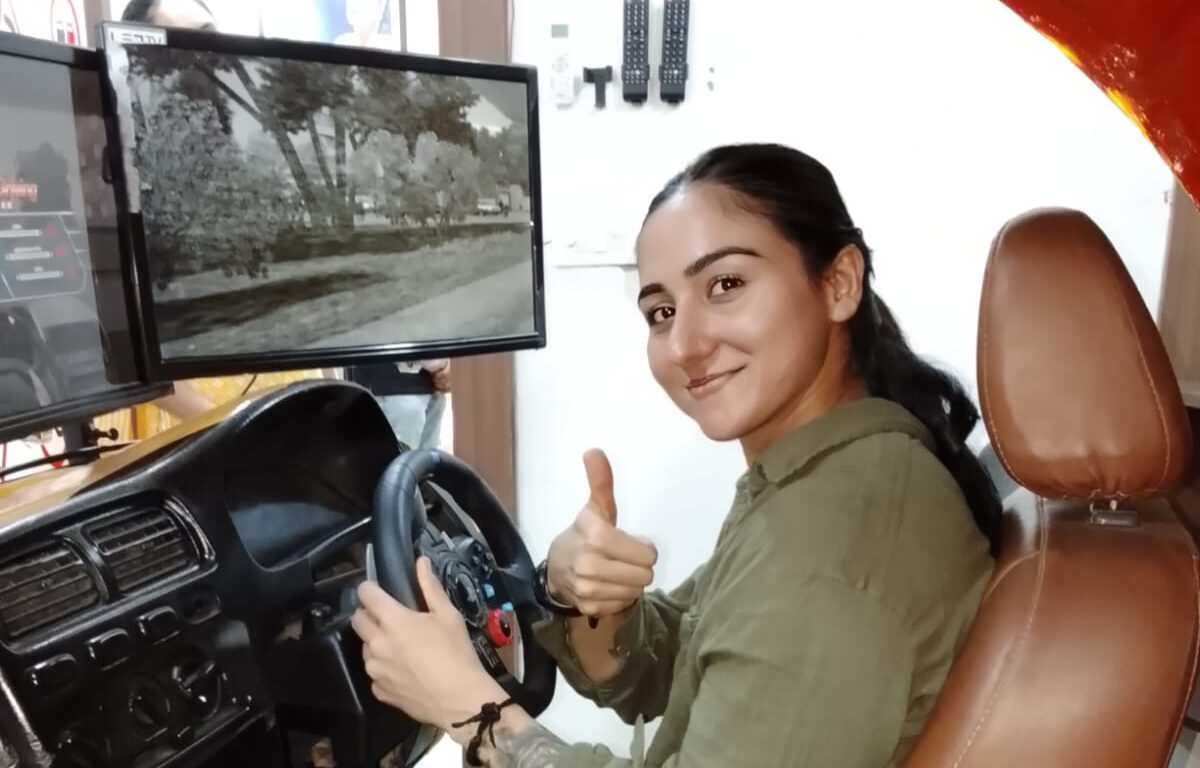
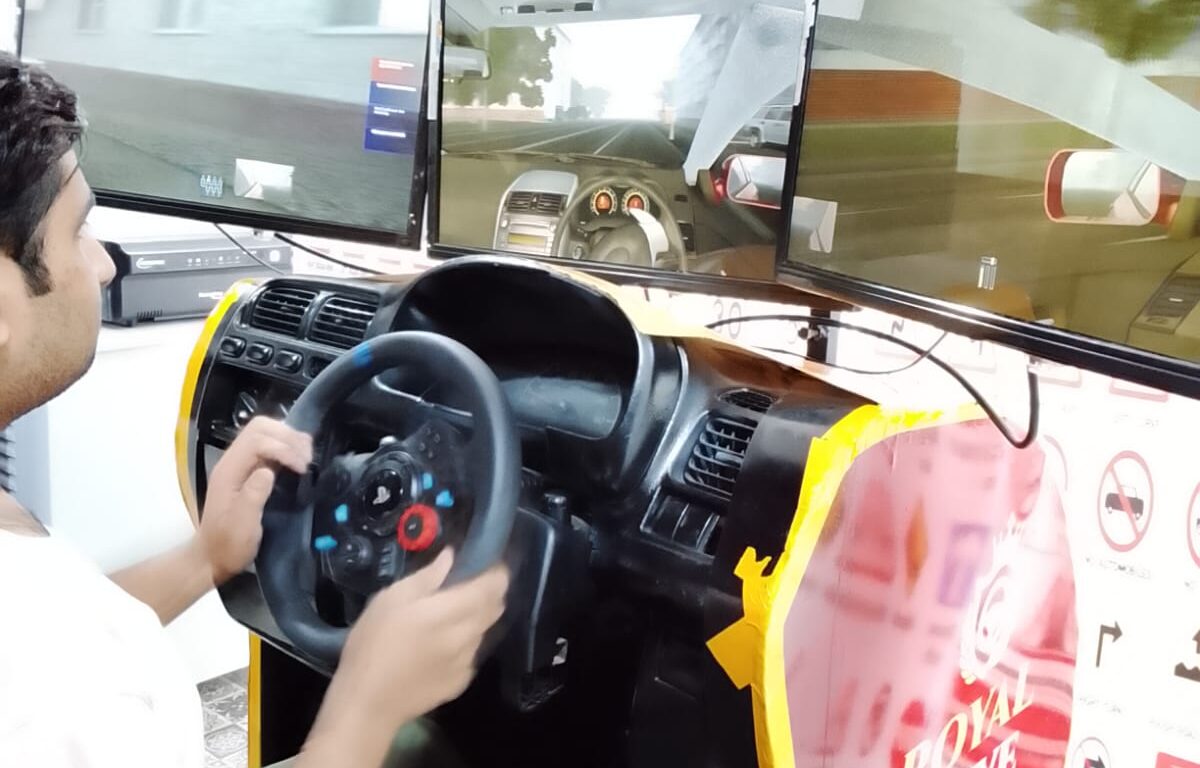
Simulator training may also help some learners become familiar with controls and practice selected situations before moving to practical training. It does not replace real-road experience.
Conclusion
Learning to drive after 50 is absolutely possible with patience, regular practice, and the right guidance. Start with basic car controls, understand road signs, and gradually move towards practical driving in different traffic conditions. There is no need to rush or compare your progress with others.
At Royal Drive Academy, Faridabad, learners can develop driving skills through simulator training and practical driving sessions. With proper instructor guidance and a comfortable learning pace, you can build confidence and become a safer, more responsible driver.