Buying your first is really a milestone. It can make daily travel easier, help you commit to work,and give you freedom to visit family and friends . If you have not learnt to drive yet, there is a second question: will you feel ready on the road once the keys are in your hand?
This checklist cover list covers both. You’ll see what to check before you pay, and how to get ready to drive confidently in Faridabad’s traffic. The right car is not the most expensive or the most popular one. It is the one that fits your budget, your daily needs and your comfort.
Set your Budget Before you Visit a Showroom
Many first-time buyers look only at the showroom price and forget the other costs.your budget should include:
- Ex -showroom price: the basic price of the car, before registration, road tax and insurance.
- On -road price: the total you actually pay to get the car legally on the road.
- Insurance: the required motor insurance plus any extra cover you choose.
- Fuel or charging: estimate a monthly amount based on how often you will drive.
- Maintenance : servicing,tyres,battery and unexpected repairs.
Ask the dealer for a written on road quotation so you can compare cars fairly. Don’t stretch your budget for a higher variant with features you won’t use.
Know your Driving Needs
Think about how you will really use the car. Your everyday requirements should guide your decision more than appearance alone.Ask yourself :
- Will I mainly drive within the city or travel on highways?
- Is this for office commuting, family trips or both?
- How many passengers will usually travel with me?
- Do I need a compact car for narrow streets and limited parking space?
- Will I regularly carry luggage, shopping, or other items?
- Do I have a suitable parking space at home?
For example, someone who drives mostly in busy city traffic may prefer a compact car that is easy to handle and park. A family that regularly travels longer distances may need more space and luggage capacity.
Choose Between a Manual and an Automatic Car
One of the most important decisions for a first-time car buyer is choosing the transmission type.
Manual car: A manual car requires the driver to operate the clutch and change gears. Learning it involves coordinating the clutch, accelerator, brakes, and gear lever. Some drivers prefer the greater control it offers, while others need time to become comfortable with gear changes and starting on slopes.
Automatic car: An automatic car changes gears without requiring the driver to operate a clutch pedal. It can be more convenient in stop-and-go traffic, although the driving experience and running costs depend on the model and transmission type.
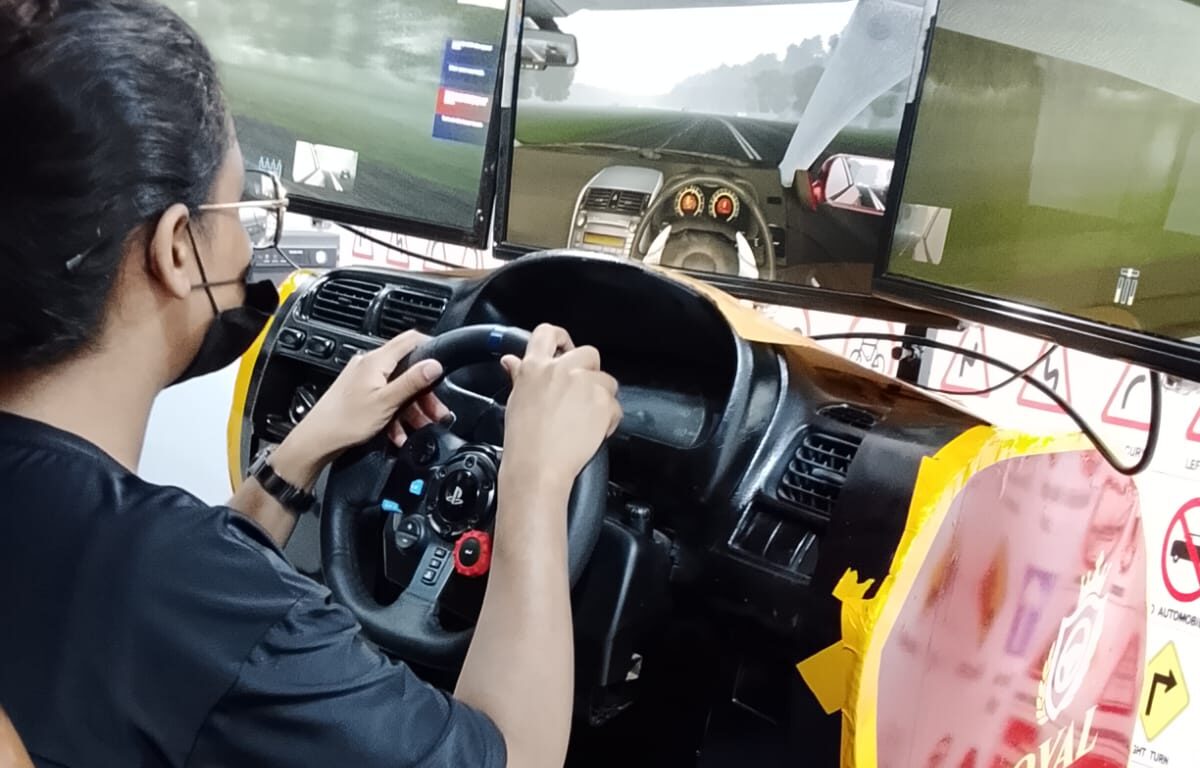
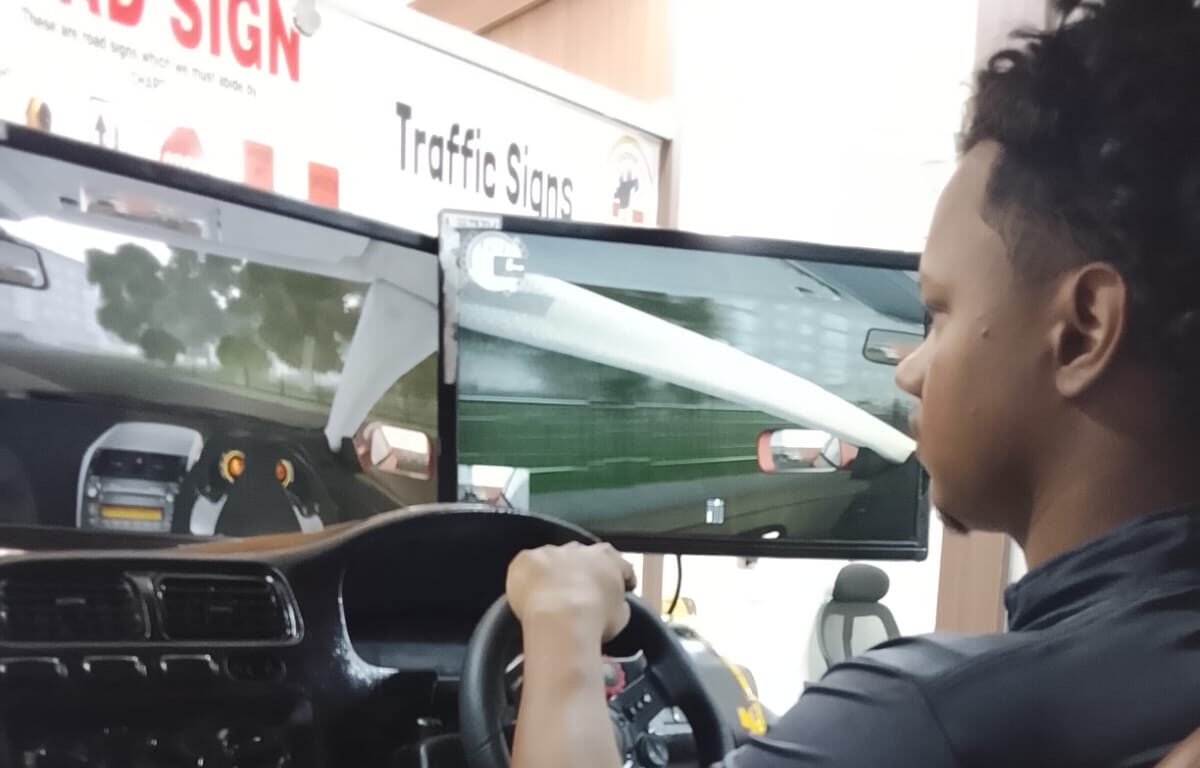
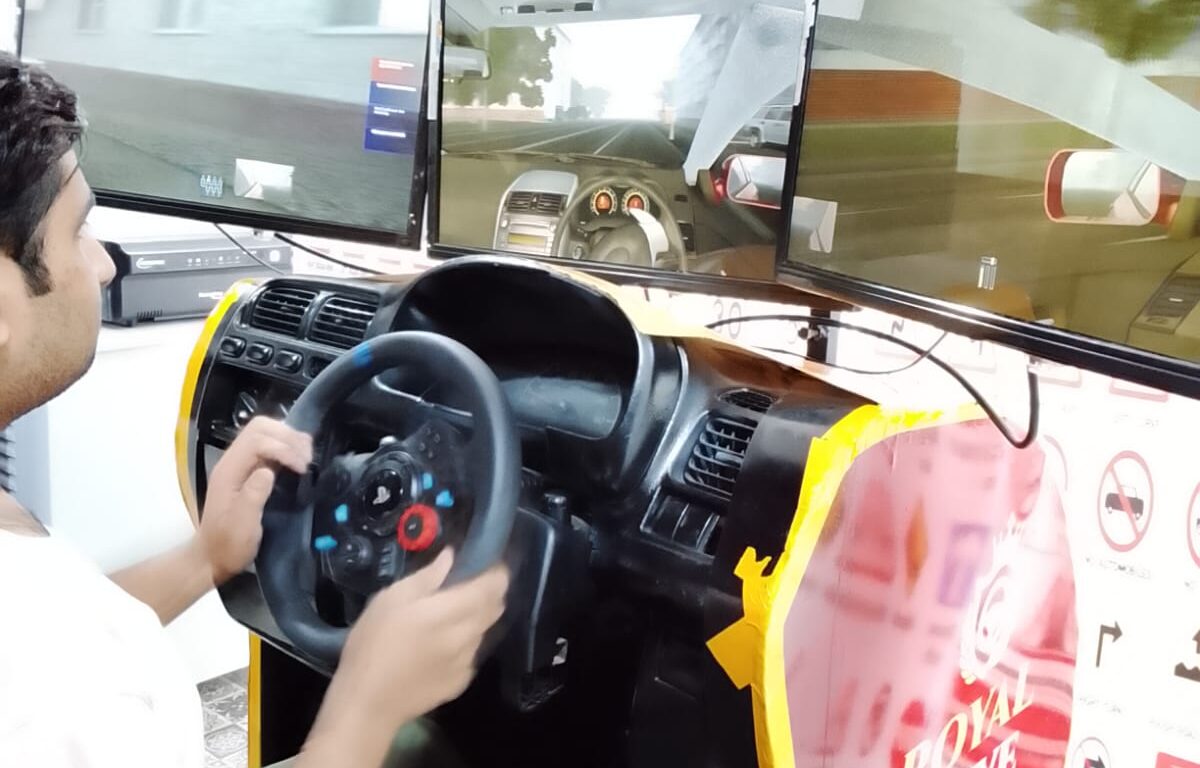
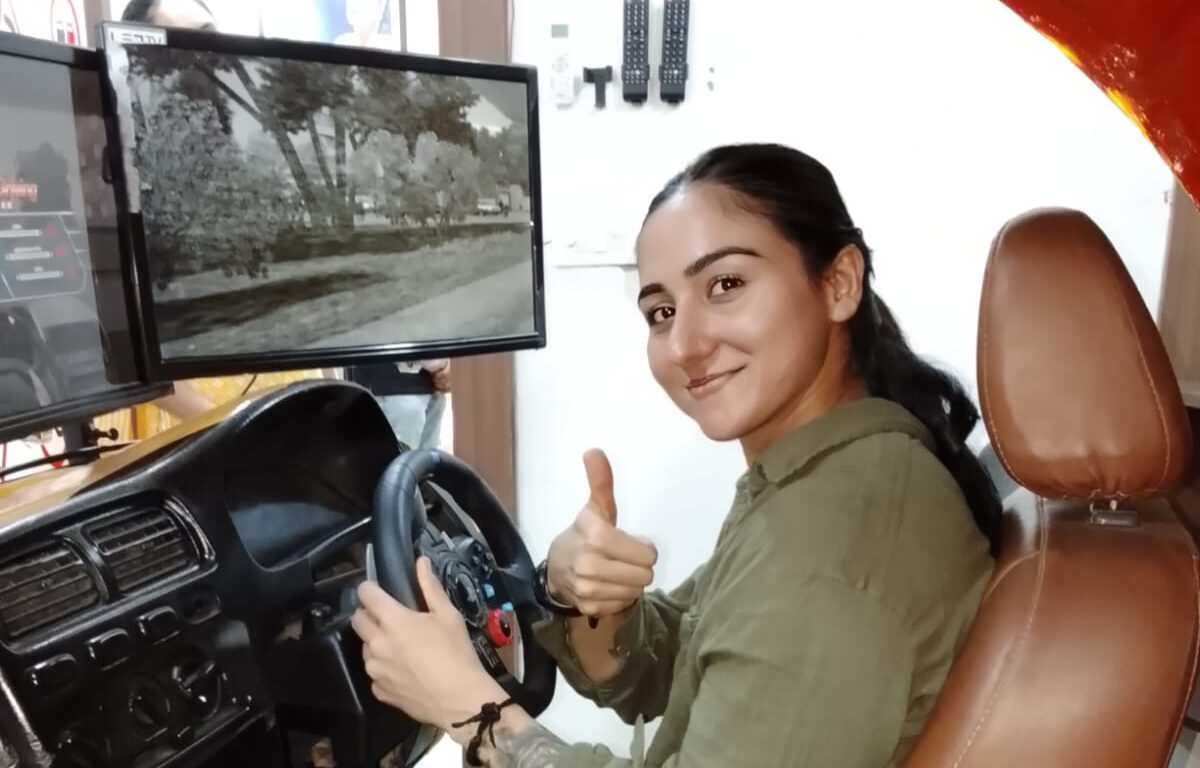
At Royal Drive Academy in Faridabad, we offer both manual and automatic driving courses, so you can learn on the type that suits you.
Check Safety Features Before Comparing Extra Feature:
Safety is first before buying your first car.big touchscreens and stylish interiors are tempting, but safety comes first.check whether the car has:
- Airbags and other occupant-protection features.
- Anti-lock braking system (ABS).
- Electronic stability control, where available.
- Rear parking sensors or a reversing camera.
- Seat-belt reminders and three-point seat belts.
- Child-seat mounting provisions, if required.
- Good visibility through the windscreen and mirrors.
Never choose a car from photos, online reviews or a showroom display alone. During the test drive, check:
- Is the driving position comfortable?
- Can you see the road clearly from the driver’s seat?
- Does the steering feel manageable?
- Do the brakes respond smoothly?
- Do the mirrors give a useful view of traffic?
- Are the controls easy to understand?
- Is the ride comfortable on ordinary roads?
- Can you judge the car’s size and corners?
A car that feels easy to operate is often a better choice than one that looks impressive but makes you uncomfortable.
Check Size and Parking Convenience
For beginners, judging where the car sits on the road takes practice. Size, visibility, turning circle and parking aids all affect how easy a car feels.
Measure your parking space.Check whether you can open the doors comfortably and whether the entrance has enough room for the car.
features such as parking sensors and reversing cameras can help, but drivers must still check mirrors, look around carefully, and remain aware of pedestrians and obstacles.
Understand the Documents and Registration
Before you complete the purchase, ask the dealer to explain the documents you will receive and how registration works. For a new car, check:
- Final invoice and payment receipts.
- Insurance certificate.
- Registration certificate (RC), once issued.
- Manufacturer’s road worthiness and sale-related documents.
- Warranty booklet and service information.
- Details of any loan recorded against the vehicle.
Confirm that the registration details and the vehicle identification number are correct. Ask who will handle registration and when to expect the documents.
Under Indian motor-vehicle rules, a vehicle must be registered before it is driven in a public place, subject to the applicable legal provisions.
If you are Buying a Used Car, Inspect it Carefully
A used car may cost less upfront, but its condition and paperwork need extra attention. Before paying, check:
- Service and maintenance history.
- Age and recorded kilometres.
- Tyre condition and signs of uneven wear.
- Brakes, lights, air conditioning and electrical systems.
- Signs of accident damage, repainting, rust or water damage.
- Engine operation and unusual noises.
- The registration certificate and the seller’s ownership details.
- Any outstanding loan or hypothecation that must be cleared
Arrange an independent inspection by a trusted mechanic or qualified inspector. If you aren’t yet confident driving, take the test drive with an experienced driver.
Complete the ownership transfer through the proper transport authority. The official website lists vehicle-related forms, including those for ownership transfer. Don’t make a large payment before you have verified the car’s condition, ownership and documents.
Compare the Final Price and Read the Agreement
Once you have two or three cars shortlisted, compare written quotations, not verbal promises. Ask the dealer to list clearly:
- The price of the selected variant.
- Registration and road-tax charges.
- Insurance costs.
- Extended warranty or service packages.
- Loan processing charges and financing terms, if applicable.
Check which accessories are optional and whether you need them. Read the booking form, delivery commitments, cancellation terms and loan documents before you sign. And don’t let a “limited time offer” rush you. Take time to review the total cost.
Conclusion
Buying your first car becomes easier when you make the decision step by step. Set your budget, identify your needs, compare safety features, calculate ownership costs, and review the paperwork carefully. Do not let appearance or pressure to buy quickly distract you from what matters most.
Most importantly, prepare yourself for the responsibility of driving. Choosing a suitable car and developing safe driving habits together can help you become a more confident and responsible driver.