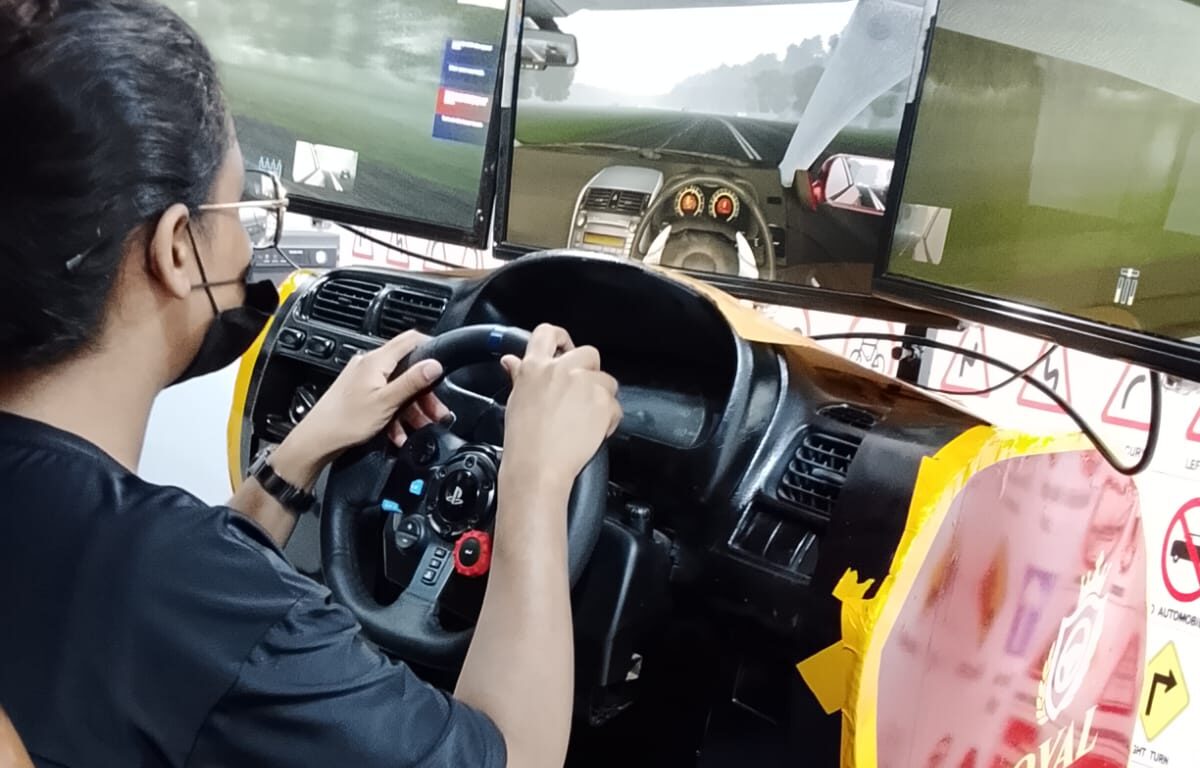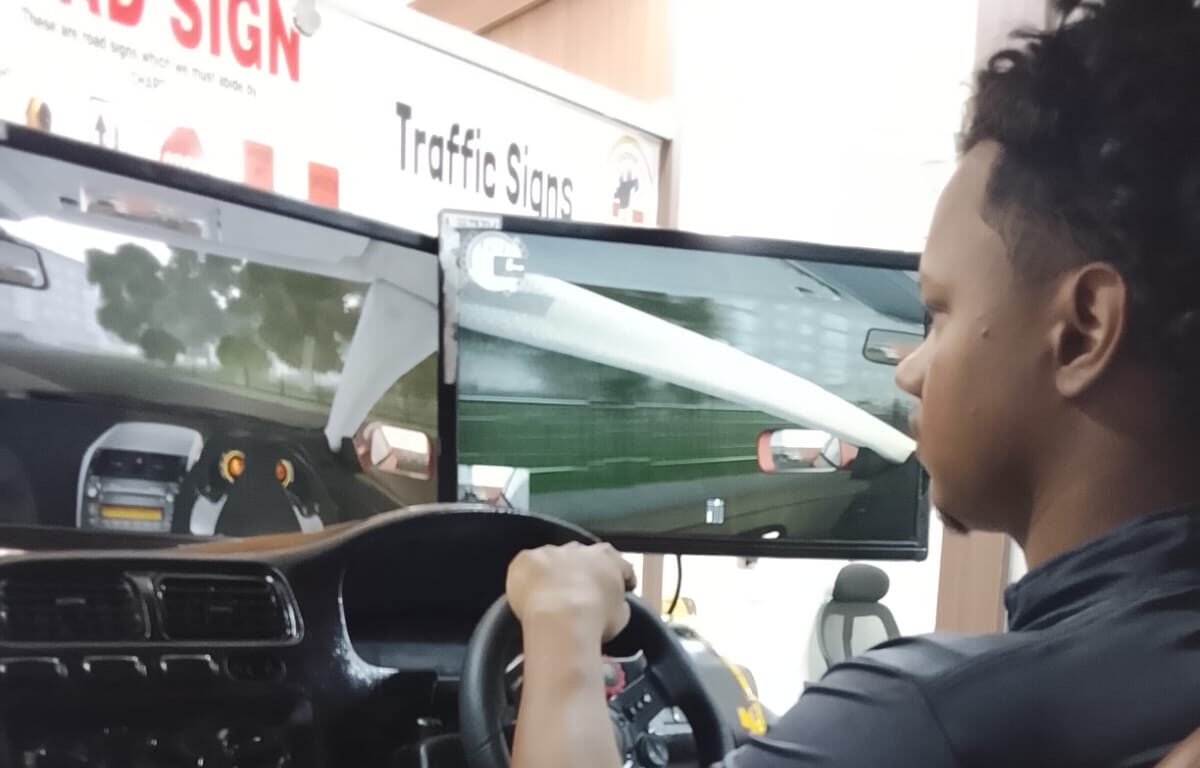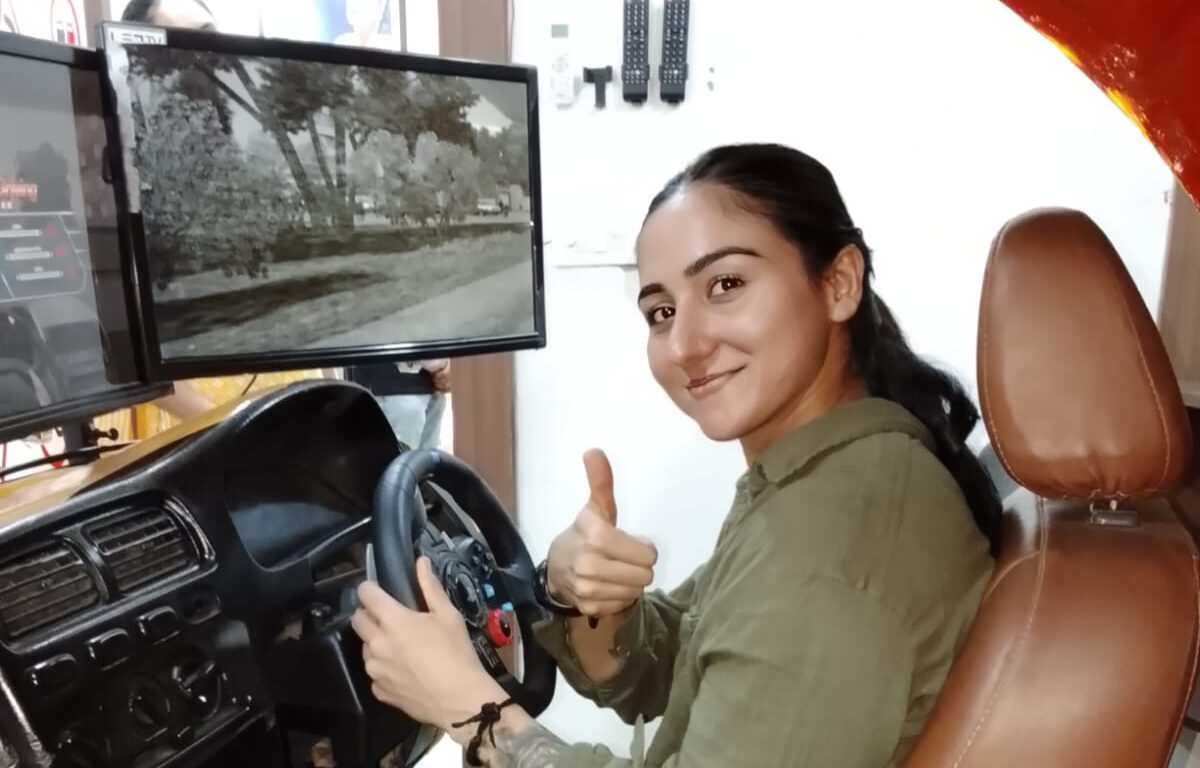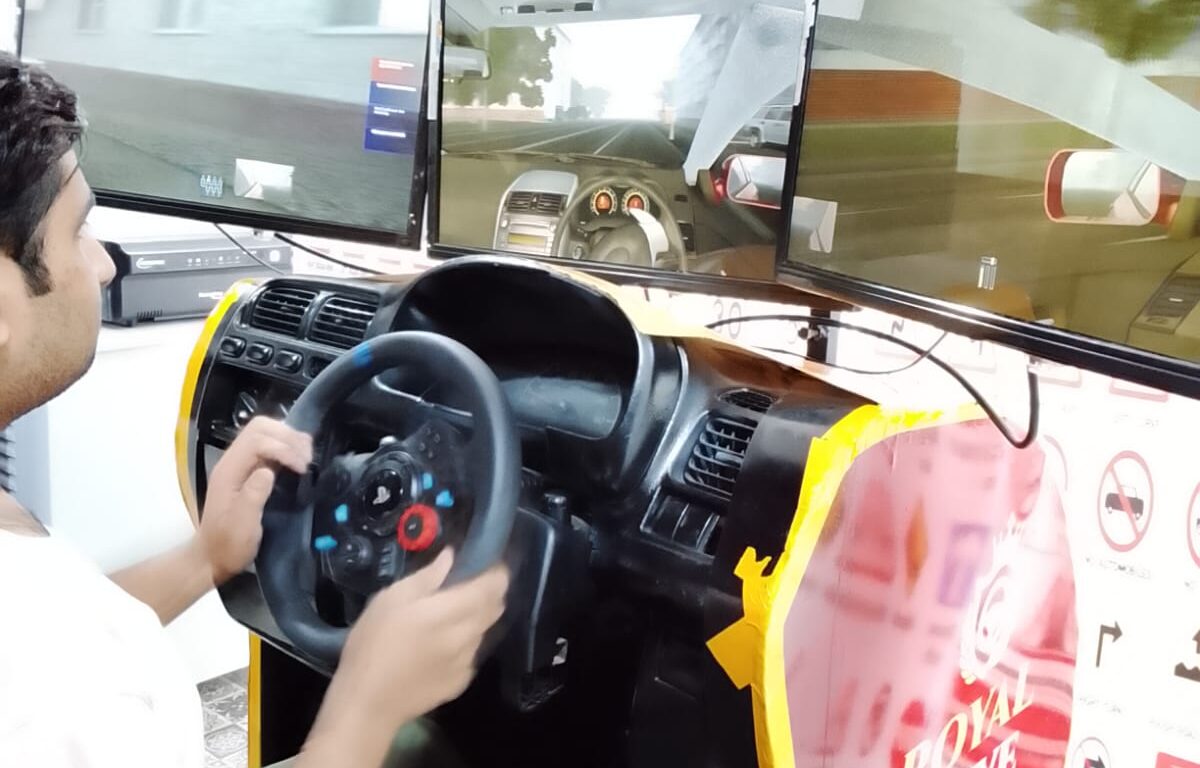
Driving at night or during rainfall can feel challenging, especially for beginners. Darkness reduces visibility, while rain can make roads slippery and affect how clearly drivers see other vehicles, pedestrians, and road signs. Even familiar routes can become more difficult when lighting is poor or the road surface is wet.
Night Driving Tips :
1.Check your Lights Before you Leave
Make sure headlights, tail lights, brake lights and indicators all work. Wips the headlight lenses and clean the windscreen inside and out,because smudges scatter light and make glare worse.
2.Use High Beams Sparingly
High beams help on dark, empty roads, but switch to low beams when another vehicle approaches or when you are following one. High beams can dazzle other drivers and make it harder for them to see.
3.Avoid Looking Directly at Oncoming Headlights
Look slightly toward the left edge of your lane, not into the lights.Keep your attention on your path and the left edge of your lane while remaining aware of the traffic around you without being blinded.
4.Keep your View Clear
Replace worn wiper blades before the monsoon. If the glass fogs up, use the demister or air-conditioning. Turn your headlights on in heavy rain so others can see you, and use a low beam.
5.Leave More Space
Stopping distance increases on wet roads, so leave a larger gap between your car and the one ahead. Brake early and gently instead of late and hard.
6.Slow Down on Wet Roads
Light rain after a dry spell can bring oil and grime up from the road surface. The first rains of the season wash oils and dirt out of the road, which makes it extra slippery. Road markings, zebra crossings and manhole covers also get slippery when wet, so avoid braking or turning hard on them.
7.Use Headlights and Windscreen Wipers Correctly
Turn on your headlights when rain or poor visibility makes it difficult to see or be seen. Use low beams in heavy rain, and ensure your windscreen wipers are in good working condition.
If the windows begin to fog up, use the car’s demister or air-conditioning settings to clear them. Never continue driving when your view through the windscreen is seriously obstructed.
8. Avoid Sudden Braking and Sharp Turns
When tyres have less grip, sudden movements can increase the risk of skidding. Approach turns more slowly, steer smoothly, and leave enough space to respond to traffic.
If the car begins to skid, avoid panicked steering or harsh braking. Ease off the accelerator and steer smoothly in the direction you want the car to travel. Follow your vehicle’s guidance and seek professional instruction to understand how to respond safely to loss of grip.
Final Takeaway
Safe driving in the dark, rain or fog comes down to preparation, patience and adjusting to the conditions: working lights, good tyres, lower speed, longer gaps and the willingness to stop or turn back.
At Royal Drive Academy, Faridabad, beginners receive practical driving guidance and learn important road-safety tips, including how to drive safely at night, in rain, and in foggy conditions. Our aim is to help learners build responsible driving habits, improve road awareness, and develop confidence behind the wheel.